Speak with a licensed insurance agent

1-833-641-4938

TTY user 711 Mon-Fri : 8am-9pm EST

Cancer Insurance Plans

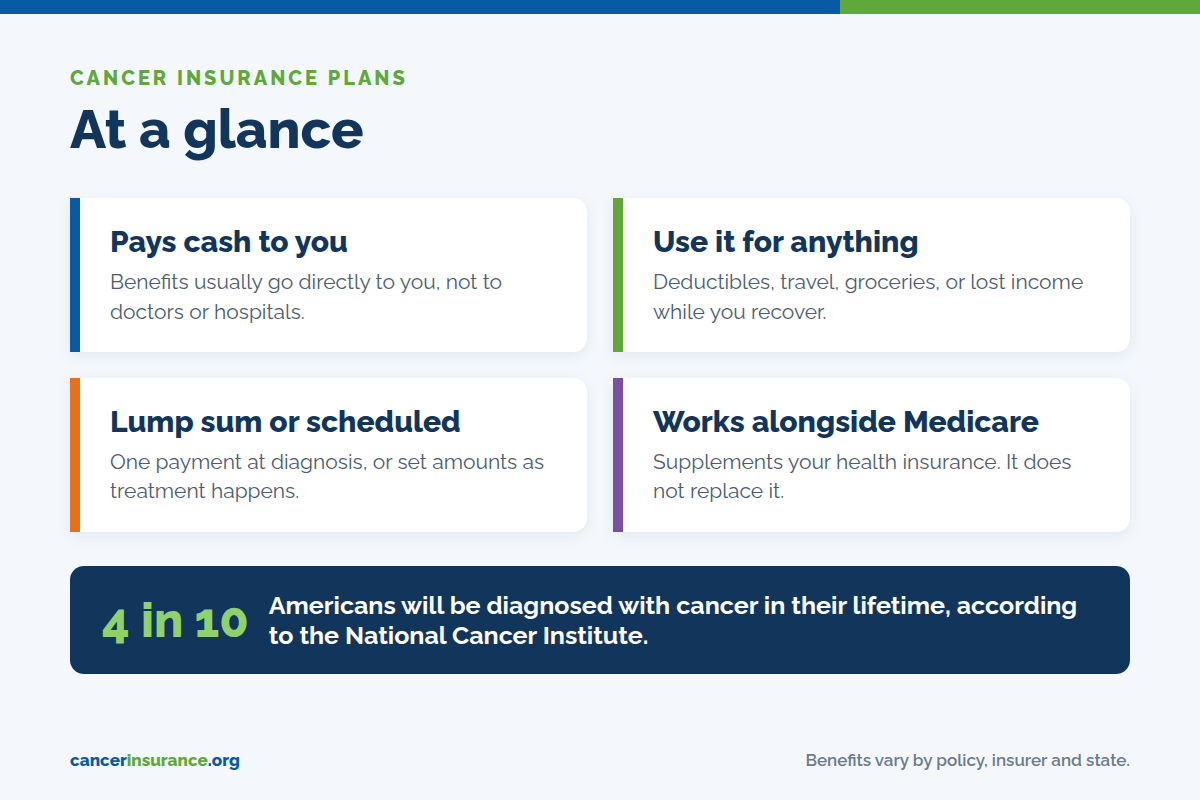
Cancer insurance plans are specialized insurance policies designed to provide financial support specifically for costs associated with cancer diagnosis and treatment.

With mounting healthcare expenses, these plans offer a crucial safety net that helps manage the unexpected costs arising from hospital stays, treatments, and ongoing care.

Unlike traditional health insurance, cancer insurance focuses on offsetting non-covered treatments, deductibles, and out-of-pocket expenses.

Understanding these plans can empower individuals and families to make informed decisions about their future financial security, ensuring peace of mind during challenging times. Explore this guide to learn more about how cancer insurance works.

Key Highlights

  • Cancer insurance offers financial support for cancer-related expenses, complementing traditional health insurance.
  • Eligibility typically requires being in good health, with potential medical exams for seniors aged 50-85.
  • Critical illness insurance can enhance coverage, providing lump-sum benefits for severe health conditions like cancer.
  • Policies may cover both direct medical costs and indirect expenses, such as transportation and home care.
  • Payouts can be lump-sum or scheduled, offering flexibility in managing cancer treatment expenses.

Compare plans and enroll online

Understanding Cancer Insurance - An Overview

Understanding Cancer Insurance: An Overview

Cancer insurance plans are specialized health insurance plans designed to provide financial support following a cancer diagnosis.

Understanding cancer insurance is crucial for individuals seeking comprehensive protection from the overwhelming costs associated with cancer treatment.

This overview examines the essence of cancer insurance, its functionality, and differentiation from indemnity insurance. By grasping these concepts, readers can better evaluate insurance policies and make informed decisions about insurance coverage

What is Cancer Insurance?

Cancer insurance serves as a supplemental insurance designed specifically to offer financial assistance in the event of a cancer diagnosis.

Unlike traditional health insurance, which typically handles a broad spectrum of medical conditions, cancer insurance focuses exclusively on cancer-related expenses.

It goes beyond covering direct medical costs by also addressing indirect expenses, providing beneficiaries with a lump-sum payment or scheduled payouts that can be used as they see fit.

The primary goal of cancer insurance is to lessen the economic burden that often accompanies serious health conditions like cancer.

This type of insurance coverage is beneficial because it offers a layer of financial security by helping cover non-medical expenses such as lost income, transportation to and from treatment centers, or home care services.

When considering cancer insurance, it’s pivotal to understand that it does not replace standard health insurance policies but rather complements them by filling in the gaps.

Moreover, the specificity of cancer insurance allows for tailored coverage options that align with an individual’s needs and potential treatment journey.

Insurance companies generally design these policies to be flexible and adaptable, offering a variety of coverage levels and policy structures.

This customization means individuals can select from different plans that suit their anticipated needs based on family history or specific risk factors.

Eligibility for cancer insurance typically involves straightforward criteria. Most insurance plans require applicants to be in good health at the time of application, and some may need a medical examination.

Particularly for seniors aged 50-85, understanding policy details, including premium costs and benefits payout options, plays a significant role in the decision-making process.

Research and education about these insurance plans are key in choosing the most suitable insurance policies that offer peace of mind and financial protection against cancer’s associated challenges.

How Does Cancer Insurance Compare to Indemnity Insurance?

When exploring insurance coverage options, it’s essential to distinguish between cancer insurance and indemnity insurance. At first glance, both seem to offer similar benefits, but they serve distinct roles within insurance portfolios.

Cancer insurance plans are narrowly focused on providing support specifically related to a cancer diagnosis.

This focus ensures that the coverage aligns precisely with the needs and expenses associated uniquely with cancer treatment.

Indemnity insurance, by contrast, typically covers a wider range of unforeseen medical conditions and often pays a set amount per day spent in a hospital regardless of the condition being treated.

A critical distinction lies in the flexibility of benefit usage.

Cancer insurance usually offers a lump-sum benefit upon diagnosis, providing policyholders with the liberty to use funds for a variety of purposes, ranging from medical bills to ancillary costs like travel or housing during treatment.

This particular benefit structure can be profoundly impactful, especially for seniors or families grappling with the multifaceted financial implications of severe health conditions.

In comparison, indemnity insurance may not offer this lump-sum benefit but rather pay out set amounts related to specific incidents or durations of hospital stays.

While both types of insurance can be valuable, understanding the unique offerings of each allows individuals to tailor their insurance plans more effectively.

A notable advantage of cancer insurance is its predetermined payout system, which simplifies financial planning during the uncertainty following a cancer diagnosis.

Furthermore, the type of cancer insurance policy one selects can significantly influence overall coverage and financial outcomes. While some insurance policies focus exclusively on specific cancer types or stages, others offer broad coverage across all forms of cancer.

These nuances are crucial for ensuring that the coverage meets personal health needs and financial planning objectives.

For families and caregivers, comprehending these differences and benefits is vital for making educated decisions when evaluating cancer insurance and indemnity insurance in the broader context of overall health insurance coverage.

Thus, a comprehensive understanding of how these insurance options work can ensure better preparedness for life’s unpredictable moments.

How Cancer Insurance Works

How Cancer Insurance Works

Understanding how cancer insurance works is pivotal for those looking to safeguard their finances against potential cancer-related expenses. This section breaks down the mechanics of cancer insurance plans and examines the role of critical illness coverage.

By comprehending the intricate details of these insurance plans, adults aged 50 to 85 and their families can make informed decisions that best suit their needs and financial situations.

With this knowledge, you can better anticipate your insurance coverage and the benefits available to you when faced with a cancer diagnosis.

Breaking Down the Process

Navigating a cancer diagnosis involves more than just dealing with medical treatment; it often necessitates a thorough understanding of the available insurance options to tackle various financial aspects.

Cancer insurance operates by offering benefits that complement existing health insurance policies, designed specifically for addressing costs associated with cancer treatment.

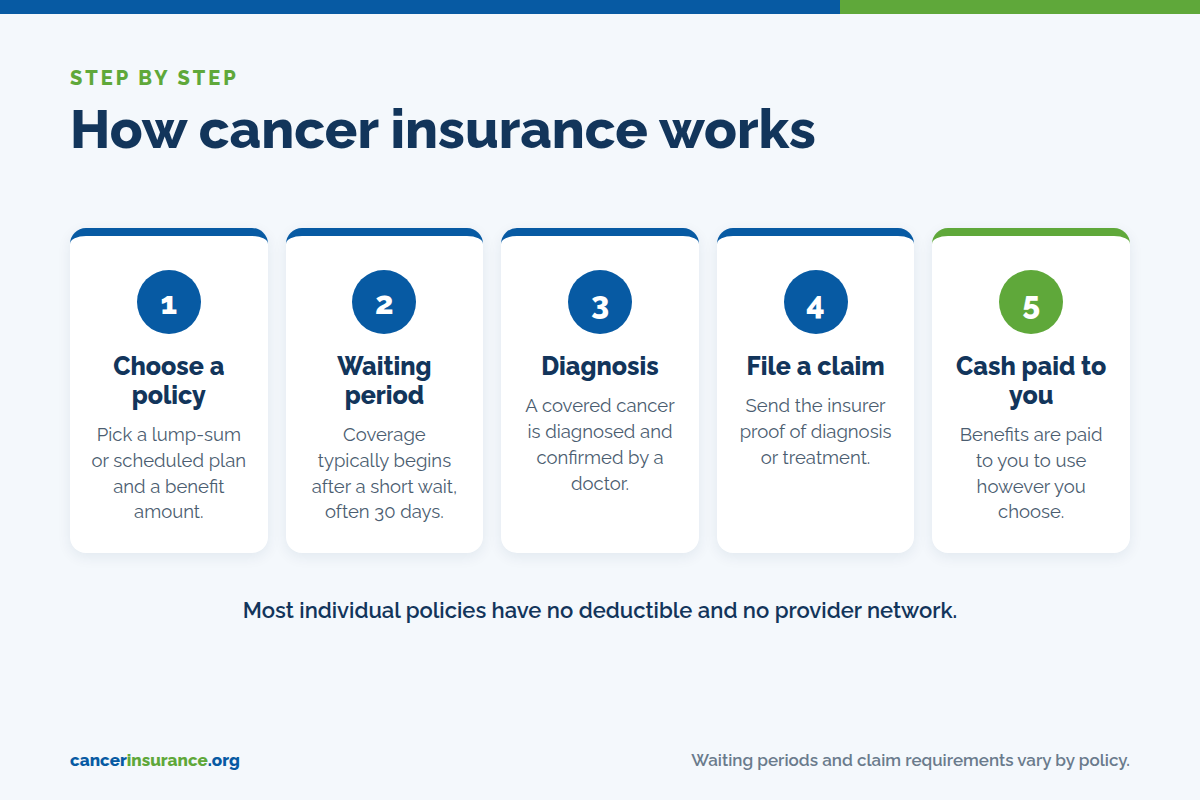
Usually, upon a confirmed cancer diagnosis, the insured can file a claim with their insurance company, which then evaluates the claim based on the specific insurance plan and policy terms.

The benefits provided may include a lump-sum payout or structured payments over time, intended to cover both anticipated and unexpected costs arising from the condition.

One of the key features of cancer insurance is its flexibility in covering both direct and indirect expenses.

Direct expenses typically include hospital stays, treatments, and medication, while indirect expenses might encompass lost wages, transportation to treatment centers, and home care needs.

For many, the insurance coverage helps alleviate the financial burden usually not addressed by traditional health insurance policies, adding a layer of financial security at a critical time.

To choose the right insurance plan, it’s important to consider the coverage for a range of potential expenses and the specific conditions covered under the policy.

Many plans offer coverage across different stages and types of cancer, with some focused on early-stage benefits and others on more advanced stages. Additionally, understanding the eligibility criteria is crucial.

Generally, insurance policies require evidence of good health at the time of application, and sometimes a medical examination is needed. For seniors, this step can be essential in determining the level and type of cancer insurance they might access.

In essence, the value of cancer insurance lies in its ability to provide a personalized approach to managing the financial implications of cancer.

By understanding how insurance companies process claims and what benefits are typically offered, you gain the ability to tailor your coverage in a way that best supports your situation.

As part of a broader insurance portfolio, cancer insurance serves as a strategic tool to enhance financial resilience during challenging times.

Critical Illness and Its Impact on Coverage

Critical illness policies are often included or paired with cancer insurance to enhance the coverage scope. These policies provide financial protection for severe health conditions, including diagnoses like cancer.

They offer a lump-sum benefit upon the diagnosis of a critical illness, empowering policyholders to manage their financial obligations effectively.

This benefit structure allows individuals and families to address diverse needs such as medical bills, lifestyle adjustments, or ongoing treatment expenses, which typical health insurance might not fully cover.

Understanding how critical illness impacts cancer insurance coverage is paramount for those evaluating their insurance options.

These policies are designed to alleviate the financial strain that accompanies serious medical conditions by offering more than just medical expense coverage.

They also provide funds that can be used for alternative treatments, non-medical care, or even modifying one’s living spaces to accommodate new health needs.

For seniors, this additional support can be a game-changer when facing long-term or complex treatment plans.

The eligibility and terms for critical illness policies can sometimes differ from standard cancer insurance plans. Generally, policyholders must meet specific health criteria, and there may be age-related conditions or exclusions.

Insurance companies typically outline the included illnesses, the timing of payouts, and any policy limitations, which are essential details to consider when selecting coverage.

By carefully comparing critical illness and cancer coverage, individuals can create a comprehensive insurance plan that secures financial and emotional well-being during recovery.

Ultimately, incorporating critical illness insurance with cancer coverage ensures a broader safety net, designed to address the unpredictable financial challenges of a severe illness.

This dual approach to insurance coverage can significantly reduce financial stress and provide peace of mind during recovery and treatment.

Insurance educators like cancerinsurance.org emphasize these options to enable informed decision-making, ensuring you and your family are adequately protected against the comprehensive costs that accompany cancer and other critical illnesses.

By understanding these insurance mechanisms, you can confidently plan for a future that prioritizes health and financial security.

Cancer Benefits and Coverage Details

Cancer Benefits and Coverage Details

Understanding cancer benefits and insurance coverage is crucial for evaluating cancer insurance policies.

When exploring these insurance policies, it’s essential to know what they may cover and how benefits are paid out. This insight helps individuals and families make informed decisions about the right insurance to support cancer treatment’s financial aspects.

Find & Compare Plans Online

Speak with a licensed insurance agent

1-833-641-4938TTY 711

Mon-Fri: 8am-9pm ET

What May Be Covered Under Cancer Insurance Policies?

Cancer insurance policies are tailored to provide specific coverage that addresses both direct and indirect expenses associated with a cancer diagnosis.

Understanding what these insurance policies may cover is essential for navigating the complex financial implications of cancer.

Coverage typically includes costs related to medical treatments like chemotherapy, radiation, surgeries, and prescribed medications tailored to the type of cancer, such as breast cancer or other forms.

These direct medical expenses can quickly add up, and having insurance coverage can substantially alleviate this burden.
In addition to these, cancer insurance may also extend to non-medical costs that aren’t usually covered by traditional health insurance.

This includes expenses such as transportation to and from treatment centers, which is often overlooked despite being a necessity for cancer patients seeking regular treatments.

Moreover, coverage may include home care services for those who need assistance during recovery.

By covering such expenses, cancer insurance offers much-needed financial relief, allowing patients and their families to focus on recovery without the stress of overwhelming costs.

Furthermore, some cancer insurance policies even provide benefits for wellness-oriented expenses, like nutrition counseling, which can aid in the patient’s recovery process.

These policies are often designed to fill gaps left by standard health insurance, offering a comprehensive approach to handling a wide range of financial needs during a cancer journey.

It’s also important to evaluate each policy’s specifics, as coverage can vary significantly among insurance companies, requiring a thoughtful examination of the provided benefits.

By carefully considering these elements, individuals can better understand potential payout structures and anticipate their insurance coverage needs more accurately.

Whether it’s about navigating insurance for a potential diagnosis or preparing for familial cancer risks, this insight ensures preparedness.


Coverage TypeCovered ExpensesBenefit Payout MethodAdditional BenefitsImportant Considerations
ComprehensiveDirect medical costs, including chemotherapy and hospital stays; indirect expenses like transportation.Lump-sum payment upon diagnosis.Access to wellness programs and support groups.Policy limits and exclusions vary; review terms carefully.
SupplementalNon-medical expenses such as home care and travel for treatments.Scheduled payments as treatments progress.Discounts on nutritional counseling and fitness sessions.Evaluate the integration with existing medical insurance plans.
IndemnityOut-of-pocket costs reimbursement; incidental expenses like childcare.Flexible payment plans based on incurred expenses.Second opinion services from expert oncologists.Check the payback rate and deductibles involved.

This table encapsulates the essential elements of cancer insurance policies, guiding individuals to make informed decisions based on coverage types and payout methods.

How Are Cancer Benefits Paid Out?

Understanding how cancer benefits are paid out is a pivotal element when considering cancer insurance coverage.

Unlike traditional health insurance, which often reimburses policyholders for certain costs after they’ve been incurred, cancer insurance is designed to provide financial support through structured payouts.

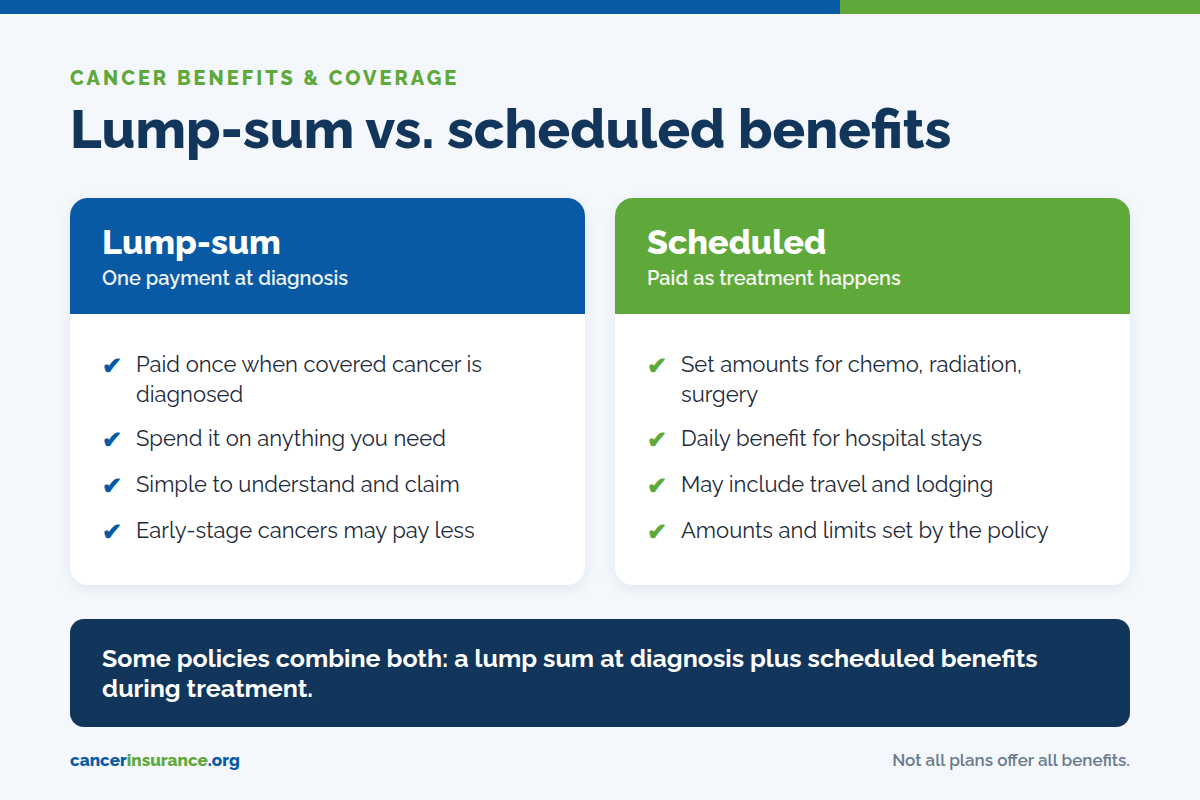
These payouts can be either lump-sum payments or scheduled benefits dispersed over time, aimed at alleviating the financial strain a cancer diagnosis can impose.

Typically, upon the diagnosis of cancer, the insured can file a claim with their insurance company, triggering the benefit payment process. The insurance company will evaluate the claim against the terms and conditions set forth in the insurance policy.

This evaluation determines whether the benefits will be a one-time lump-sum payment or scheduled across a specified period.

Lump-sum payments offer flexibility and immediacy, empowering individuals to use funds as needed, whether it be for medical bills, daily living expenses, or other indirect costs such as home modifications to accommodate treatments.

Scheduled benefits, on the other hand, provide continuous support over the duration of treatment, helping manage ongoing expenses without the pressure of managing a large sum of money upfront.

This method can be particularly beneficial for long-term treatment plans often required with certain types of cancer.

Understanding these options can significantly impact decision-making, especially for adults ages 50-85, their caregivers, and families who need to plan around the financial support for cancer-related expenses.

Moreover, the way benefits are paid out can vary by insurance company and the specifics of the insurance policy, so it’s crucial to examine the terms closely.

Potential policyholders should inquire about how different cancer stages and types are addressed concerning benefit payouts to ensure comprehensive support.

By weighing these factors, individuals can choose a coverage method that aligns with their specific financial needs and treatment plans, thus ensuring that insurance truly complements their primary health insurance and supports full recovery efforts.

Eligibility and Cost Considerations for Cancer Insurance

Understanding the eligibility and costs associated with cancer insurance is essential for those considering this valuable protection. Eligibility criteria often influence who can access these plans, while costs can dictate the affordability and overall value of the coverage.

Exploring eligibility details helps adults ages 50-85, caregivers, and families understand who can qualify for this coverage, while understanding premiums and potential costs assists in financial planning.

By examining these factors, individuals can make informed decisions about purchasing a cancer insurance plan that fits their needs and budget.

Who is Eligible for Cancer Insurance?

Eligibility for cancer insurance often varies based on the specific policy and insurance provider, but there are common criteria that most individuals must meet. Generally, adults interested in cancer insurance must be in good health at the time of application.

This requirement is crucial as insurance companies want to ensure that applicants aren’t currently undergoing cancer treatment or haven’t been recently diagnosed.

For seniors aged 50-85, an additional consideration might be a medical exam or a health questionnaire to assess their current health status.

These steps are intended to evaluate potential risks and ensure that the insurance plan aligns with the individual’s health profile.

It’s important to note that some insurance companies offer more lenient eligibility requirements, emphasizing the inclusivity of their cancer insurance plans. However, even with more accessible criteria, certain health conditions might still affect eligibility.

Pre-existing conditions, especially those related to cancer, can limit the availability of specific plans or alter the benefits and premiums. This aspect highlights the necessity for thorough research and understanding of the chosen policy’s stipulations.

Further, group cancer insurance plans provided by employers can offer another route to securing this coverage. These group plans typically have fewer eligibility restrictions and might not require individual health evaluations.

This can be an attractive option for those who may not qualify for individual insurance due to existing health issues. Group plans also often feature lower premiums due to the shared risk among members, making them a financially viable alternative.

Adults aged 50-85, caregivers, and families should evaluate their health status and insurance needs before applying. This evaluation helps in choosing a plan that offers the necessary protection without underestimating the coverage’s importance.

For those seeking additional financial security, exploring supplemental policies or riders within their existing health insurance can provide further assistance.

Ultimately, understanding the eligibility requirements for cancer insurance is a critical first step in securing comprehensive protection against the financial strain of a cancer diagnosis.

Understanding Potential Costs and Premiums

The costs associated with cancer insurance comprise various factors that potential policyholders need to consider.

Premiums, which are regular payments made to maintain coverage, are influenced by several elements, including the individual’s age, health status, and the specific features of the selected policy.

Typically, older adults might face higher premium rates due to the increased risk of a cancer diagnosis at an advanced age. This factor makes it vital for seniors and their families to weigh the coverage benefits against the overall cost.

Cancer insurance premiums also depend on the extent of coverage provided. Plans offering broader protection and higher benefits will naturally come with increased costs.

These plans might include coverage for a wide range of direct medical expenses, such as chemotherapy and radiation, as well as helpful provisions for indirect costs like transportation or home care.

While more comprehensive coverage results in higher premiums, the trade-off is the peace of mind and financial security it provides when facing a potential cancer diagnosis.

In addition to premiums, it’s essential to understand other potential costs that might arise from a cancer insurance plan. Deductibles and co-pays can be part of the insurance structure, influencing the overall expense.

A deductible is an amount the insured must pay out-of-pocket before the insurance benefits start covering treatments. Meanwhile, co-pays are fixed costs paid for specific services, such as a visit to an oncologist.

Understanding these elements is crucial in budgeting for cancer insurance and anticipating out-of-pocket expenses that could affect the affordability of treatment.

For those seeking to manage costs effectively, comparing multiple plans and providers can illuminate significant differences in premiums and out-of-pocket expenses.

It’s advisable to look for insurance policies that balance premium costs with comprehensive coverage, ensuring the plan meets individual needs without undue financial strain.

Additionally, the possibility of discounts or premium reductions on group plans through organizations or employers should be explored, as these can lead to significant savings.

Ultimately, understanding the costs and premiums associated with cancer insurance requires careful examination of the policy’s terms and a clear assessment of personal financial circumstances.

Empowered with this knowledge, adults aged 50-85, caregivers, and families can confidently choose a cancer insurance plan that best fits their budget and serves their health insurance needs.

Insightful research and informed decision-making foster the selection of an insurance strategy that provides substantial protection during challenging times, offering meaningful support and peace of mind.

Choosing the Right Cancer Insurance

When it comes to cancer insurance plans, choosing the right policy involves a careful evaluation of multiple facets to ensure it meets your coverage needs and financial preferences.

As a Cancer Insurance Educator, I emphasize the importance of understanding the nuances of each insurance policy and working closely with your insurance company to secure coverage that best suits you.

It’s essential to start by evaluating the types of benefits each plan offers.

Some cancer insurance policies provide a lump-sum payment upon diagnosis, while others might offer continued coverage for various treatment stages, addressing both immediate and long-term financial needs.

Understanding what your insurance coverage should entail is central to your decision-making process. Look for plans that encompass a broad spectrum of direct and indirect costs.

For instance, a well-rounded policy should help cover hospitalization, treatment, medication, and assist with related costs like transportation or home care.

This comprehensive approach ensures you’re not caught off guard by expenses traditional health insurance might not cover.

Moreover, critical illness insurance can also be considered within your evaluation to protect against the economic nuances of severe health conditions.

Your current health status and potential risk factors are crucial when selecting a policy.

Insurers often assess these elements to determine eligibility and premiums. For adults aged 50-85, this implies examining both your past medical history and future health needs.

It’s advisable to discuss with your insurance company any particular concerns or hereditary conditions that may affect your coverage needs, ensuring your chosen policy aligns with your specific situation.

One practical tip is to compare policies across different insurance companies. This comparison can reveal significant differences in insurance coverage, premiums, and benefits, guiding you to a plan that offers both value and protection.

Remember always to scrutinize the policy details to understand exclusions, coverage limits, and how benefits are paid out. Such careful assessment prevents misconceptions that might arise during the claims process, providing a clear picture of your insurance investment.

Lastly, consider speaking with financial advisors or specialists familiar with cancer insurance to further navigate the intricate world of insurance policies.

Their insights can aid you in choosing a policy that not only secures financial support but also complements any existing health or life insurance plans.

Through these steps, you can confidently choose a cancer insurance plan that provides peace of mind and financial resilience against cancer’s unpredictable journey.

Understanding cancer insurance can be an empowering step toward safeguarding financial stability during challenging times.

These plans are designed to supplement existing health coverage, offering peace of mind and financial relief for treatment-related expenses.

By thoroughly researching available options and considering personal health needs and budget, individuals over 50 and their families can make informed decisions.

Cancer insurance not only helps cover medical costs but also eases the burden of non-medical expenses, providing critical support where it is most needed.

Compare plans and enroll online

Frequently Asked Questions

What is cancer insurance?

Cancer insurance is a specialized insurance policy that provides financial assistance for expenses related to cancer diagnosis and treatment, complementing existing health insurance coverage.

Who is eligible for cancer insurance?

Eligibility generally requires individuals to be in good health at the time of application. Seniors aged 50-85 may need to undergo a medical exam or fill out a health questionnaire.

What types of expenses does cancer insurance cover?

Cancer insurance covers both direct medical costs such as treatment, medication, and hospital stays, and indirect expenses like transportation, home care, and lost income.

How are cancer insurance benefits paid out?

Benefits can be paid as a lump sum upon diagnosis or as scheduled payments throughout treatment, offering flexibility to cover expenses as needed.

How does critical illness insurance complement cancer insurance?

Critical illness insurance enhances cancer coverage by providing a lump-sum benefit for severe health conditions like cancer, helping manage various financial needs beyond medical costs.

Have Questions?

Speak with a licensed insurance agent

1-833-641-4938

TTY users 711

Mon-Fri: 8am-9pm ET

Find & Compare Plans Online

Speak with a licensed insurance agent

1-833-641-4938TTY 711

Mon-Fri: 8am-9pm ET

ZRN Health & Financial Services, LLC, a Texas limited liability company