




Reviewed by Russell Noga, Licensed Insurance Agent — Last updated November 24, 2026
Key Takeaway
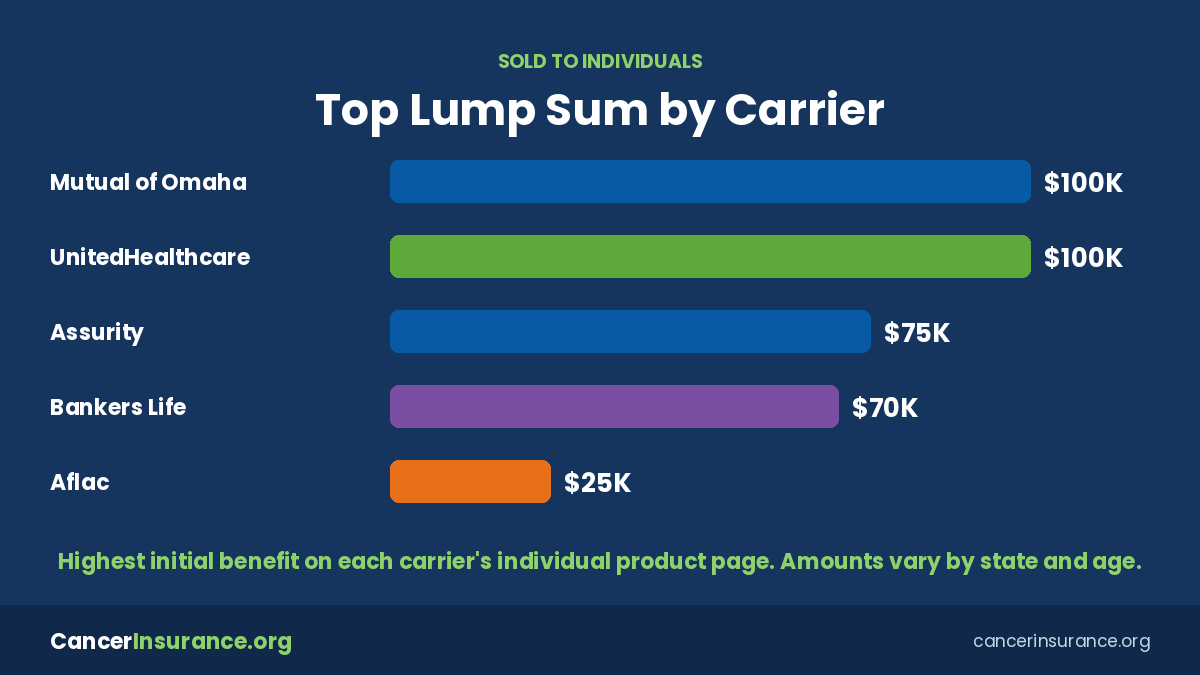
Critical illness insurance providers in the U.S. include MetLife, Guardian, Cigna, Colonial Life and The Standard, which sell mainly through employers, and Mutual of Omaha, Assurity, Bankers Life, Aflac and UnitedHealthcare’s Golden Rule, which sell policies to individuals through agents or online. Which one you can use depends first on whether your job offers a plan, then on your age and the amount you need.
2027 by the Numbers
18-85
issue ages for Bankers Life Critical Benefit without the optional rider (Bankers Life)
March 19, 2025
Cigna’s sale of its supplemental benefits business to HCSC closed (Cigna 8-K)
April 1, 2025
The Standard completed its purchase of Allstate’s workplace benefits business (The Standard)
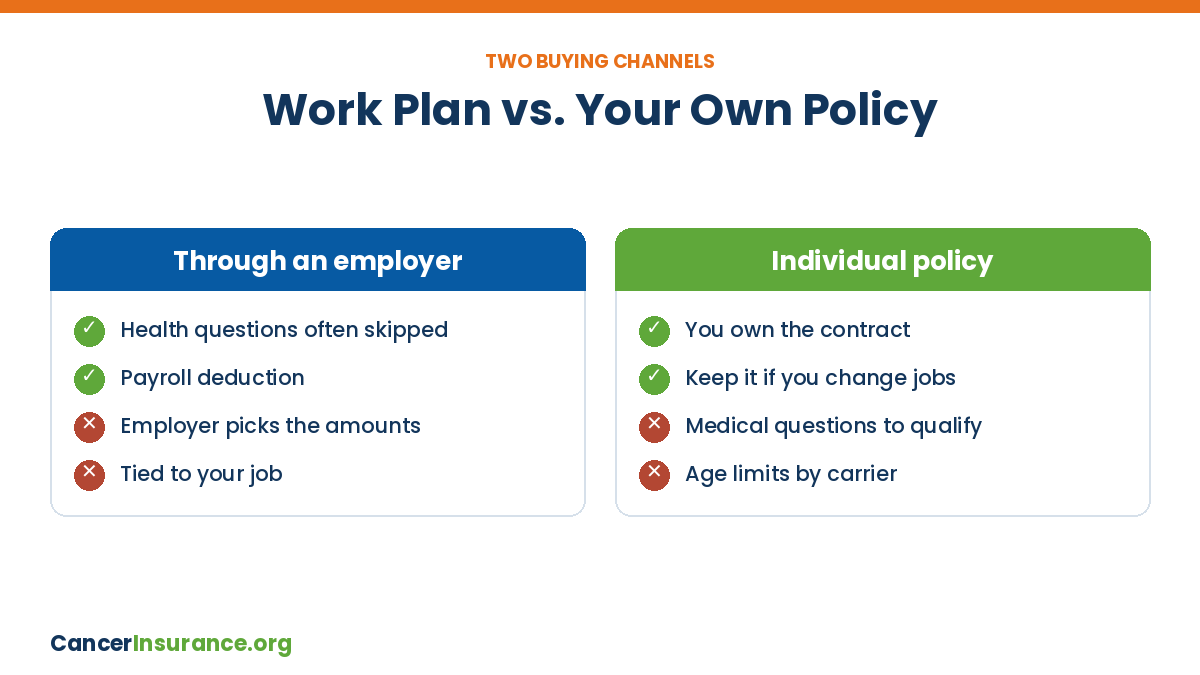
A search for critical illness insurance providers turns up the same dozen brand names, but most lists skip the detail that decides whether you can actually buy from them: the sales channel. Several of the largest names write this coverage only as a group benefit, so the only way in is an employer that has signed a contract with them. Others sell a policy you own personally, through a licensed agent or an online quote.
This directory sorts the main U.S. carriers by how you reach them, adds each insurer’s AM Best financial strength grade from its most recent rating action, and flags two ownership changes that put new company names on older policies. Critical illness insurance is a supplemental, limited-benefit policy that pays cash after a covered diagnosis. It does not replace health insurance. For carriers that also sell cancer-only plans, see our cancer insurance providers guide.